
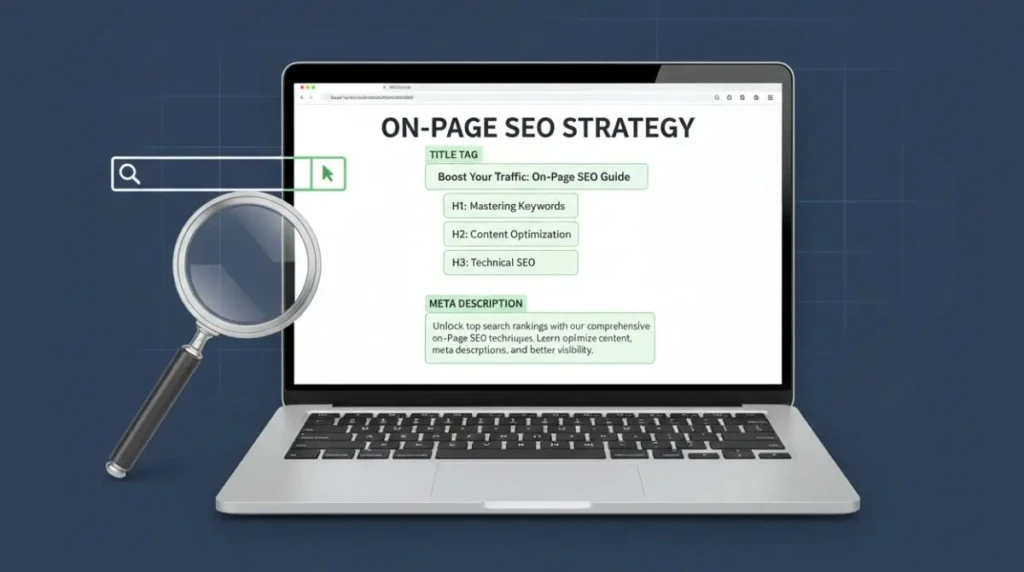
On page SEO is the work you do on a webpage itself to help search engines understand it and to help people use it with ease. It covers content, HTML elements, internal links, page experience and how well the page matches search intent.
When done well, on page SEO makes a page clearer, faster and more trustworthy. It also reduces guesswork for crawlers by presenting clean structure and consistent signals.
What on Page SEO Means?
On page SEO refers to optimizing the parts of a webpage you control. It includes what visitors read, what search engines parse in the code and how the page performs on real devices.
It differs from off page SEO, which focuses on external signals like backlinks and brand mentions. Technical SEO overlaps, but on page SEO is mostly about the page level content and structure.
Why on Page SEO Matters?
Search engines reward pages that answer a query quickly and completely. On page SEO helps align your page with the language and intent behind that query.
It also supports user experience by improving readability, navigation and page speed. Those improvements can increase engagement and help the page earn stronger performance signals over time.
How Search Engines Understand a Webpage?

Search engines use crawling, rendering and ranking systems to understand webpages, which is why how SEO works is closely connected to content structure, internal links and page experience.
They also evaluate usability signals such as mobile friendliness, load performance and intrusive elements. A page that is easy to read and navigate tends to perform better across many queries.
Keyword Research and Search Intent
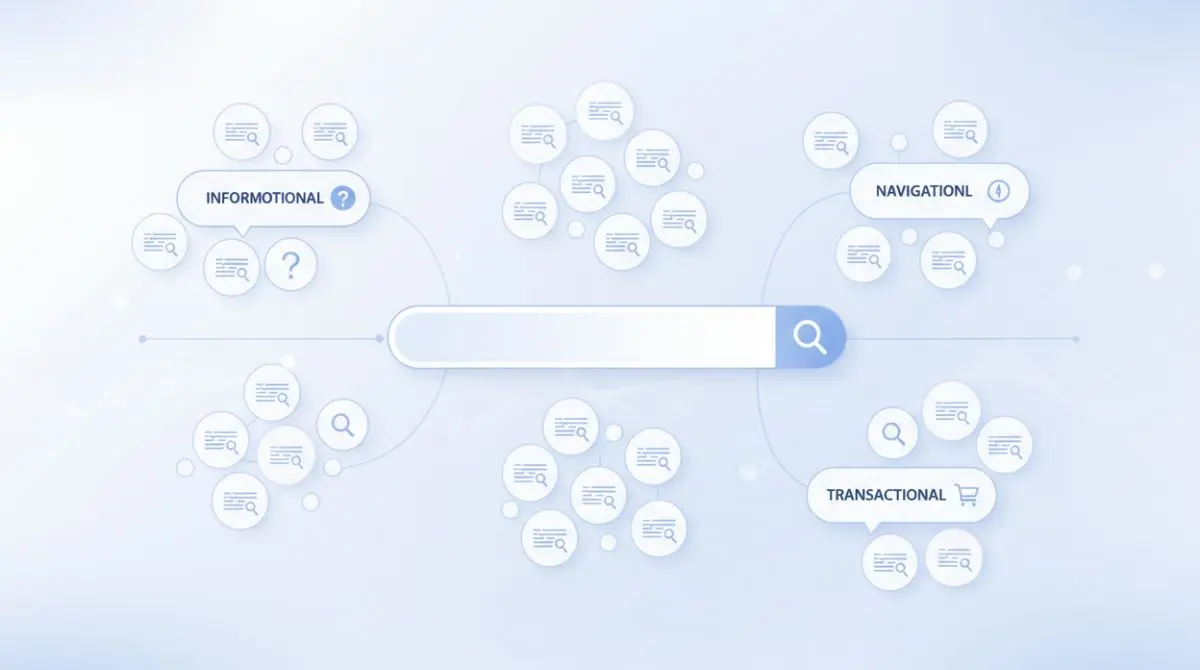
Strong on page SEO starts with matching intent, not forcing a phrase into every sentence. Identify whether the query needs a definition, a process, a comparison, or a deeper guide.
Use the main topic wording in prominent places and support it with related terms. Helpful semantic phrases include search intent, SERP features, topical relevance, content depth and query refinement.
Choosing Primary and Secondary Terms
Pick one primary topic per page and keep supporting terms tightly related. This prevents keyword cannibalization and keeps the page focused.
Secondary terms should fit naturally in headings and body text. They also guide subtopics such as meta tags, internal linking and content structure.
Title Tags and Meta Descriptions

The title tag is often the strongest on page signal for topic and relevance. Keep it accurate, readable and aligned with the page promise.
Meta descriptions do not directly rank, but they influence click behavior. A clear description sets expectations and can improve click-through rate by highlighting the benefit.
- Title tag: Keep it specific, avoid fluff and lead with the main topic when possible.
- Meta description: Summarize the outcome, match intent and write like a helpful preview of the page.
- URL slug: Use short, readable words that reflect the topic and avoid unnecessary parameters.
Once these elements are consistent, the rest of the page can reinforce the same topic signals.
Heading Structure and Content Layout
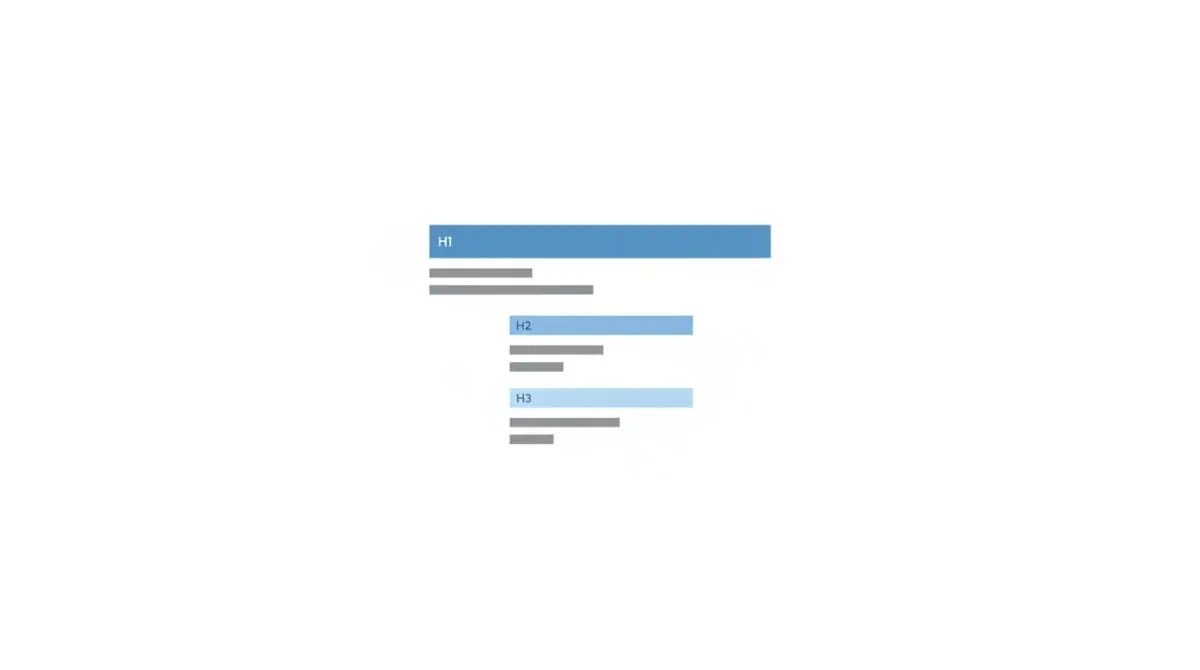
Headings create a map for both readers and crawlers. A clear hierarchy also helps accessibility tools interpret the page correctly.
Use one H1 that matches the page topic and then organize sections with H2 and H3 headings. Keep headings descriptive so readers can skim and still understand the flow.
Writing Scannable Paragraphs
Short paragraphs increase comprehension on mobile and reduce bounce risk. Keep each paragraph focused on one point and use natural transitions.
Support dense topics with concise bullet lists. Use bold text sparingly to highlight a key phrase, not to decorate the page.
Content Quality and Helpful Coverage
High quality content answers the query fully and avoids filler. It should be accurate, current and clear about what the page covers and what it does not.
Cover related subtopics that a beginner would need to complete the task. That may include definitions, common mistakes, decision criteria and simple checks to validate results.
Experience and Trust Signals
Trust is reinforced when content is precise and consistent. Include clear statements, avoid exaggerated claims and keep advice aligned with how modern search works.
Helpful trust elements include transparent authorship, clear update habits, consistent terminology and clean design that reduces confusion.
Internal Linking and Site Architecture

Internal links help distribute authority and guide users to the next relevant page. They also help crawlers discover pages and understand topic relationships.
Use descriptive anchor text that reflects the destination topic. Avoid overlinking the same phrase repeatedly and prioritize links that support the current intent.
- Navigation links: Keep primary menus consistent and focused on key sections.
- Contextual links: Link from within paragraphs when it improves understanding.
- Related content blocks: Suggest next pages that match the reader goal.
A tighter link structure improves crawl efficiency and helps users move through your content with less friction.
Images And Media Optimization
Images can improve comprehension, but they should not slow the page. Compress files, use modern formats when possible and set proper dimensions to reduce layout shifts.
Alt text should describe the image for accessibility and context. Keep it specific and useful and avoid stuffing keywords into it.
Page Speed And Core Web Vitals
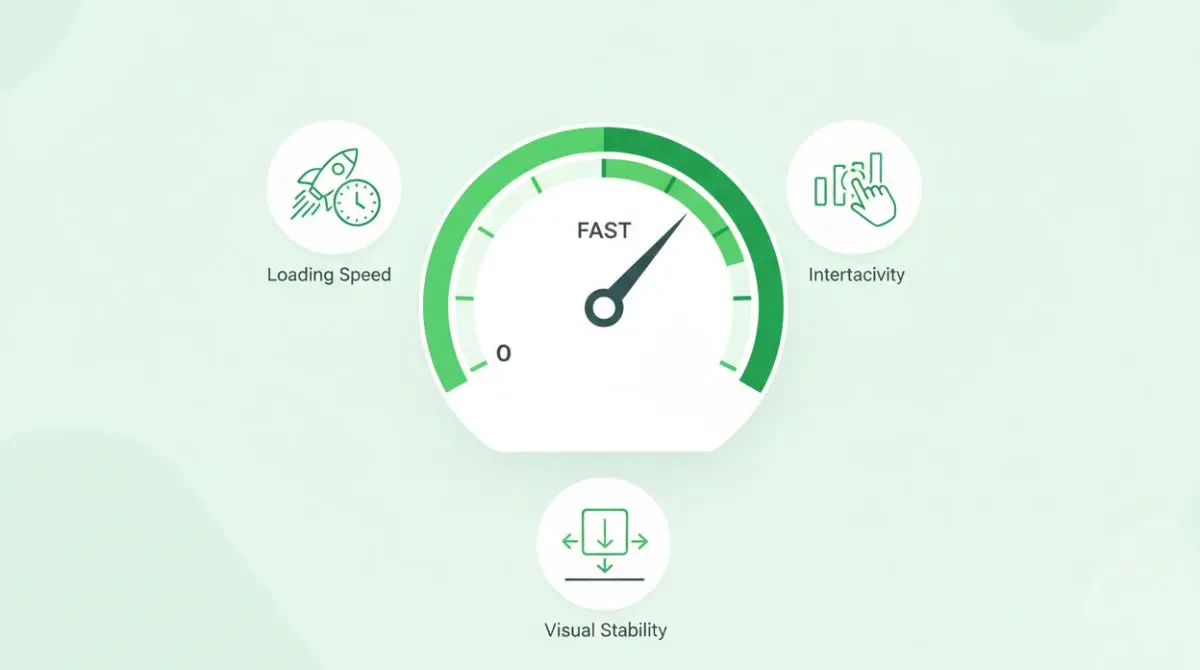
Performance affects both usability and search visibility. Core Web Vitals focus on loading speed, interactivity and visual stability.
Common on page improvements include reducing large scripts, optimizing images, using caching and minimizing render blocking resources. Stable layouts and fast response times help users stay engaged.
Mobile Friendliness And Accessibility
Most pages are evaluated through a mobile-first lens. A responsive layout, readable font sizes and tappable elements support better engagement.
Accessibility overlaps with good SEO because it improves clarity and structure. Proper heading order, descriptive links and sufficient contrast help both users and crawlers.
Structured Data And Rich Results
Structured data is code that describes page entities in a standardized way. It can help search engines interpret your content and may enable rich results when eligible.
Use schema types that match the page purpose and keep details accurate. Incorrect markup can reduce trust and may not be shown in search features.
On Page SEO Checklist For Any Webpage
This checklist helps you review a page quickly without missing core signals. It also supports consistent publishing standards across a site.
- Confirm intent match. Ensure the page answers what the query implies and avoids drifting into unrelated topics.
- Optimize the title tag. Make it clear, accurate and aligned with the primary topic of the page.
- Improve headings and structure. Use a clean hierarchy and make each section easy to scan.
- Strengthen main content. Add missing subtopics, remove filler and keep the language simple and direct.
- Refine internal links. Link to the most relevant supporting pages and use descriptive anchors.
- Optimize images and media. Compress files, set dimensions and write helpful alt text.
- Check performance and mobile layout. Reduce heavy scripts and confirm the layout is stable on smaller screens.
After these updates, recheck the page in a browser and confirm the content reads smoothly from start to finish.
Quick Reference Table For Key On Page Elements
| On Page Element | What To Optimize | What Good Looks Like |
|---|---|---|
| Title Tag | Clarity, topic alignment, readability | Accurate promise that matches the page content |
| Headings | Hierarchy, descriptive section labels | One H1, logical H2 and H3 flow, scannable sections |
| Internal Links | Relevance, anchor text, crawl paths | Helpful links that guide users and support topical clusters |
| Page Experience | Speed, mobile layout, stability | Fast load, stable layout, easy interaction on mobile |
Use this table as a fast audit tool when updating existing pages or publishing new ones.
Common On Page SEO Mistakes To Avoid
Many pages underperform due to avoidable issues that weaken relevance or usability. Fixing these tends to deliver fast improvements without needing major redesigns.
- Thin content: Too little information to satisfy intent, often missing key subtopics and definitions.
- Unclear headings: Vague section titles that do not indicate what the reader will learn.
- Over-optimized text: Repeating the same phrase too often, which hurts readability and trust.
- Slow pages: Heavy images, scripts and layout shifts that frustrate users.
- Weak internal linking: Orphan pages or links that do not match the reader goal.
Once these issues are removed, your page is easier to understand and more likely to hold attention.
Conclusion
On page SEO is the practical craft of making a webpage clear, useful and easy to crawl. It blends content quality, clean structure, strong metadata and a smooth page experience.
Focus on intent, tighten your headings and internal links and keep performance strong. Those fundamentals make it easier for search engines to trust the page and for readers to act on it.